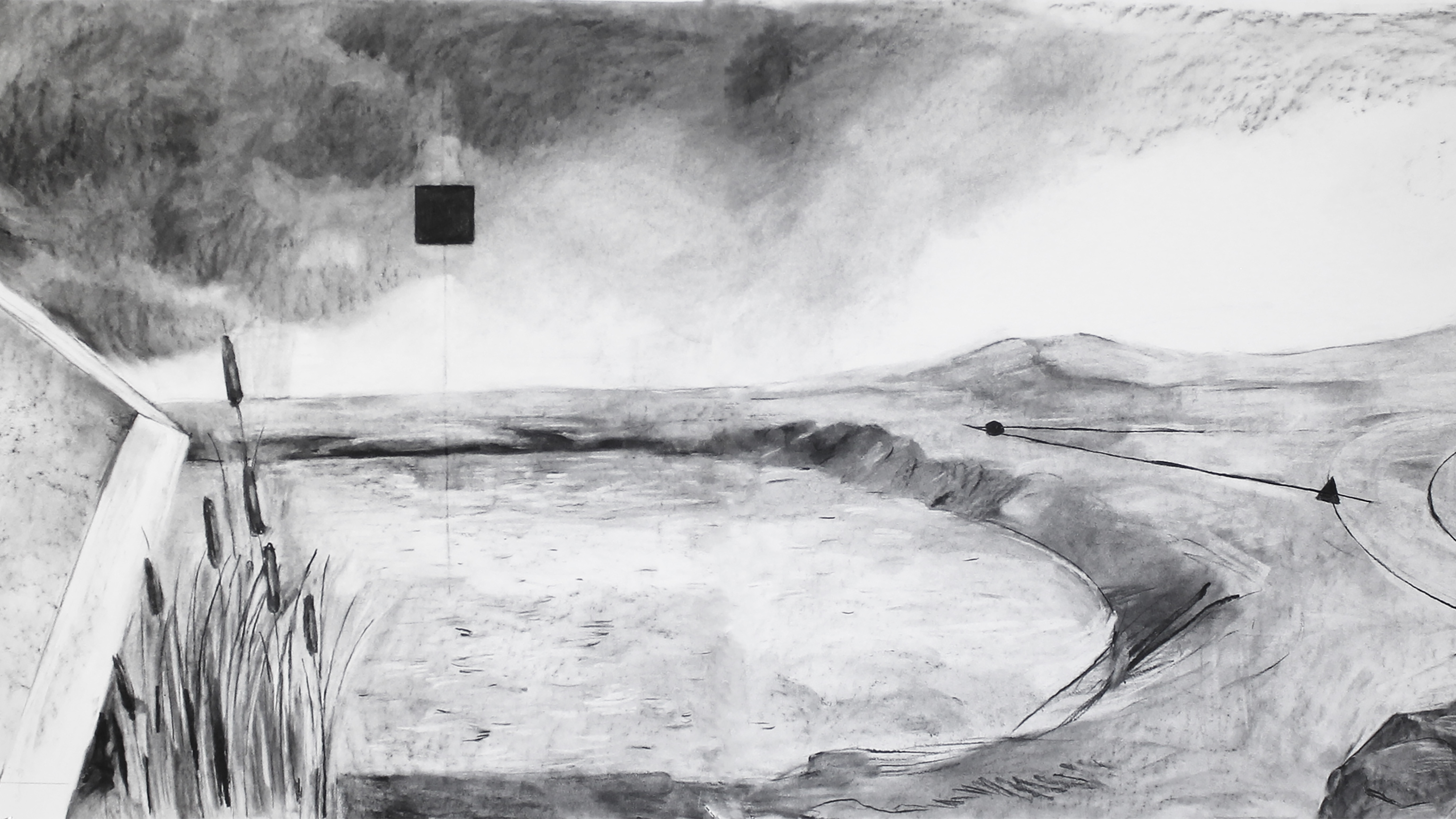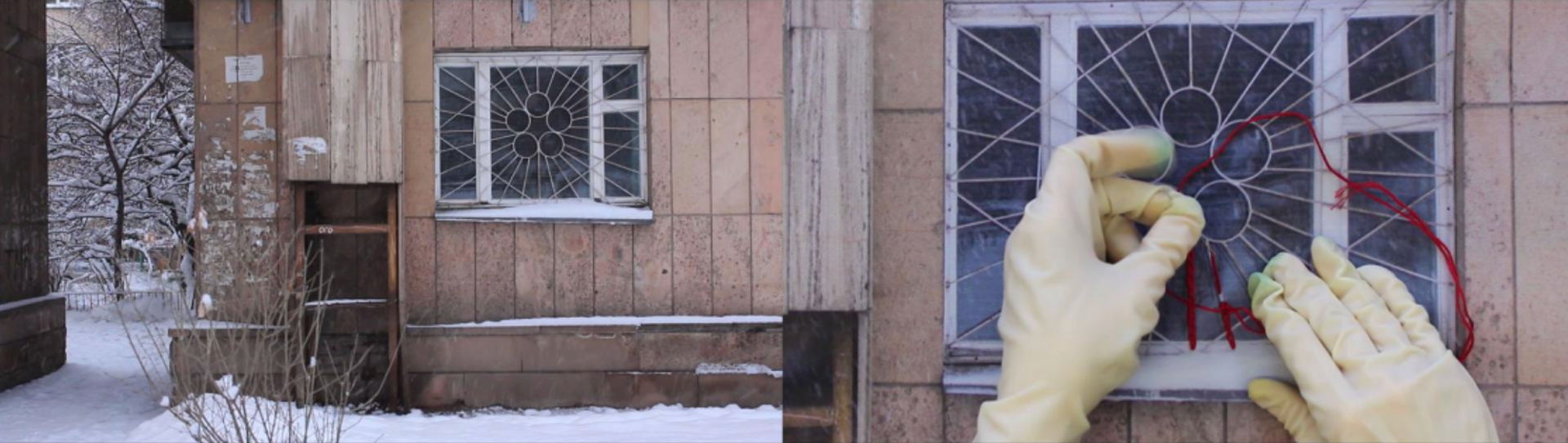
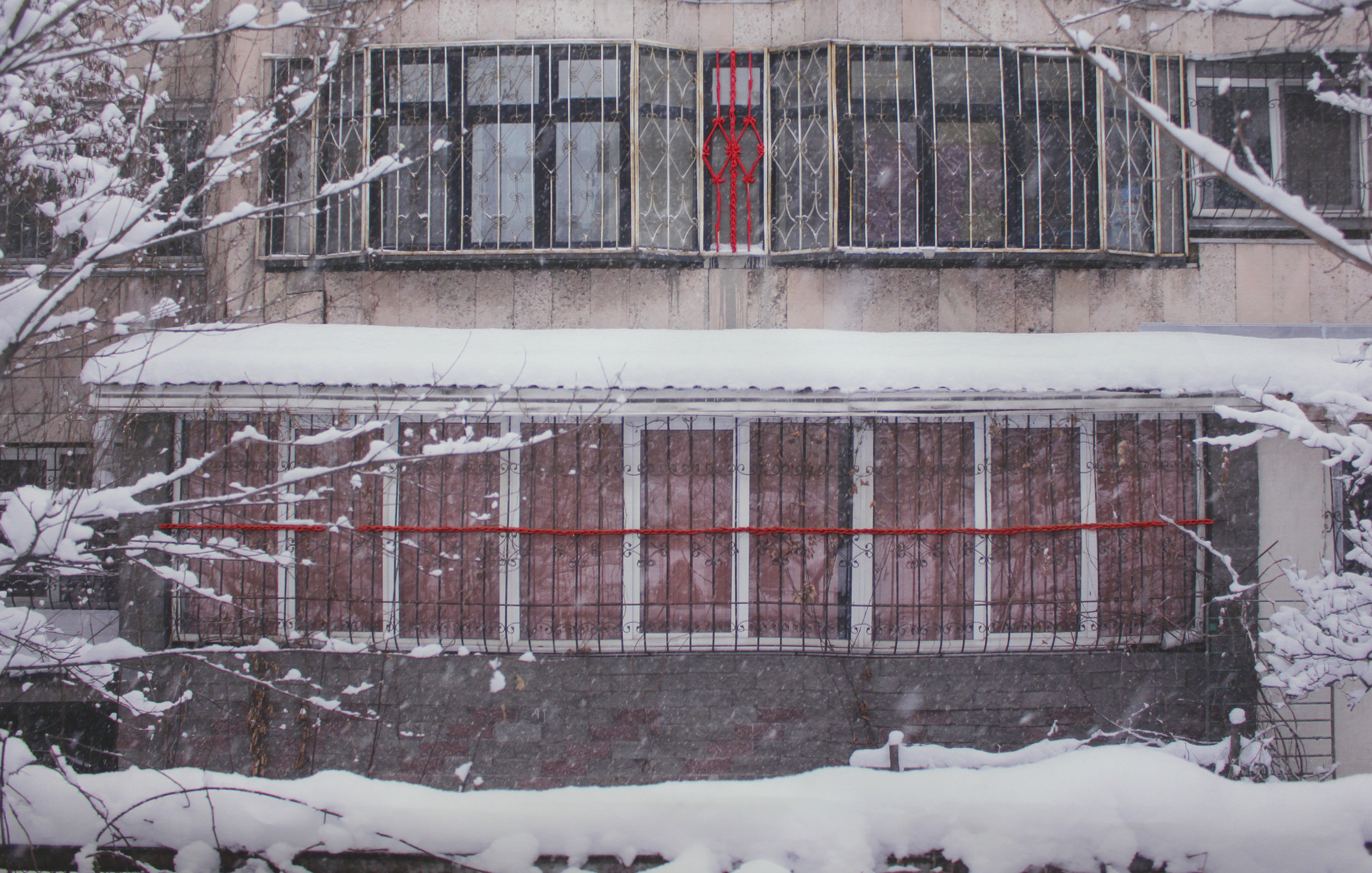
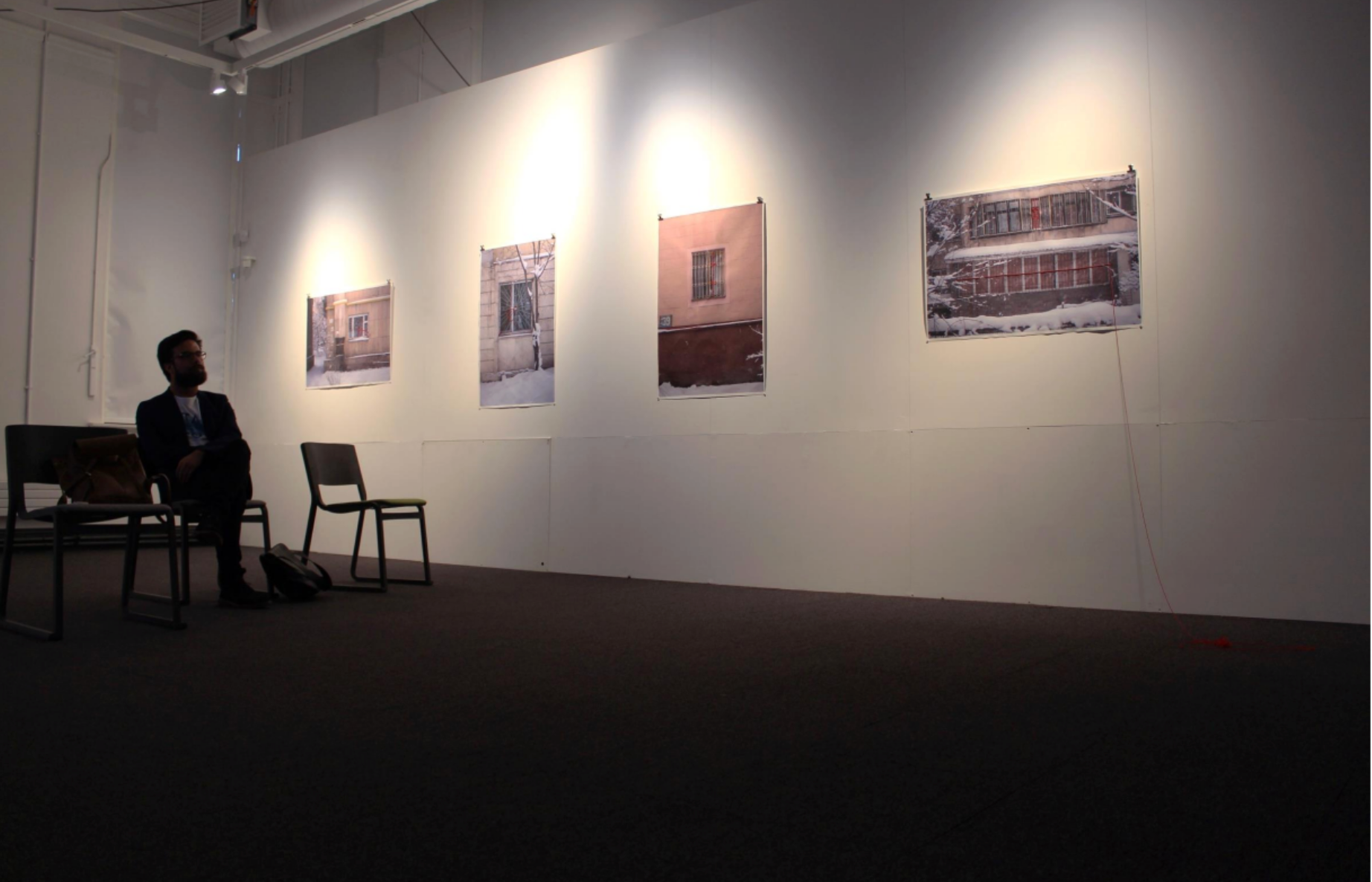
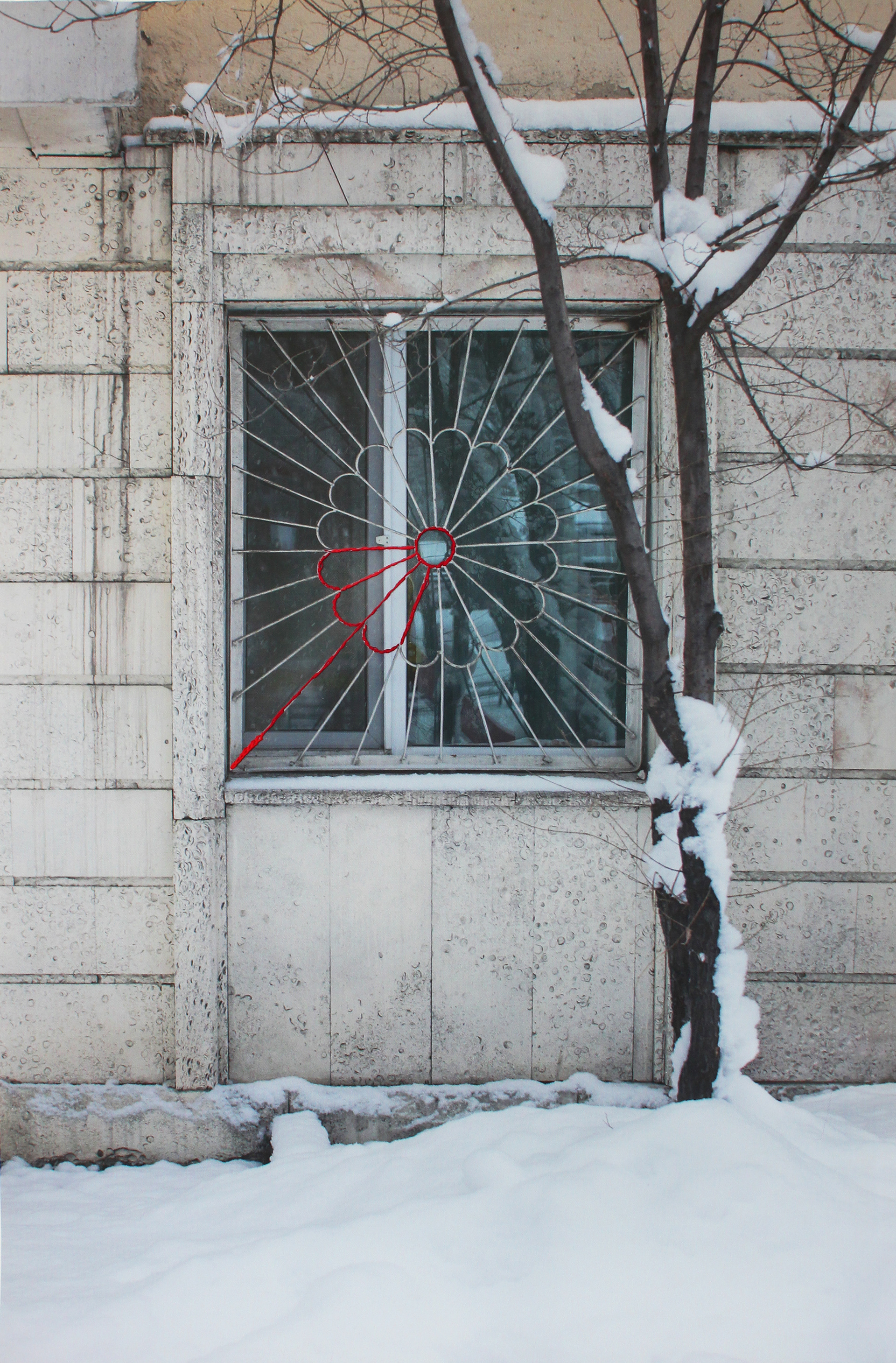
The project studies the phenomenon of barred window in the former Soviet territories. It started as a series of flaneires around the city of Almaty, former capital of Kazakh Soviet Republic. A growing collection of photographs revealed two characteristic features: abundance of barred windows and ornamentality and great variety of window grill patterns.
This phenomenon can be read as a form of manifestation of trauma in the lived space.
A window grill – the ubiquitous, ornamented man-made barrier – becomes an effective metaphor to address and try to deconstruct the dialectic of inside and outside, as well as the conflict between private and public, which is especially characteristic of post-Soviet states that in different times have gone through shocks of collectivization (1930-s) and privatization (1990-s).
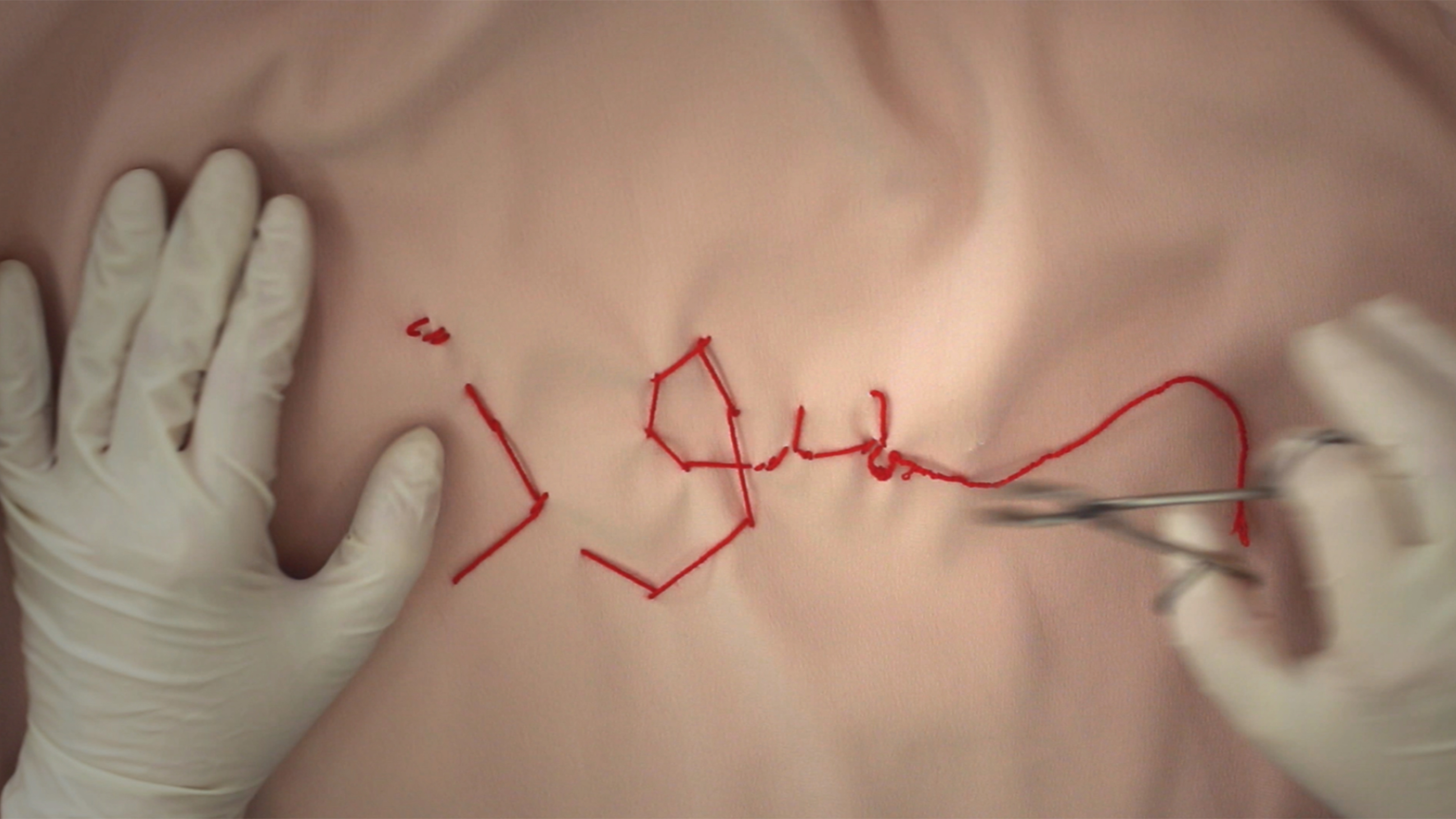
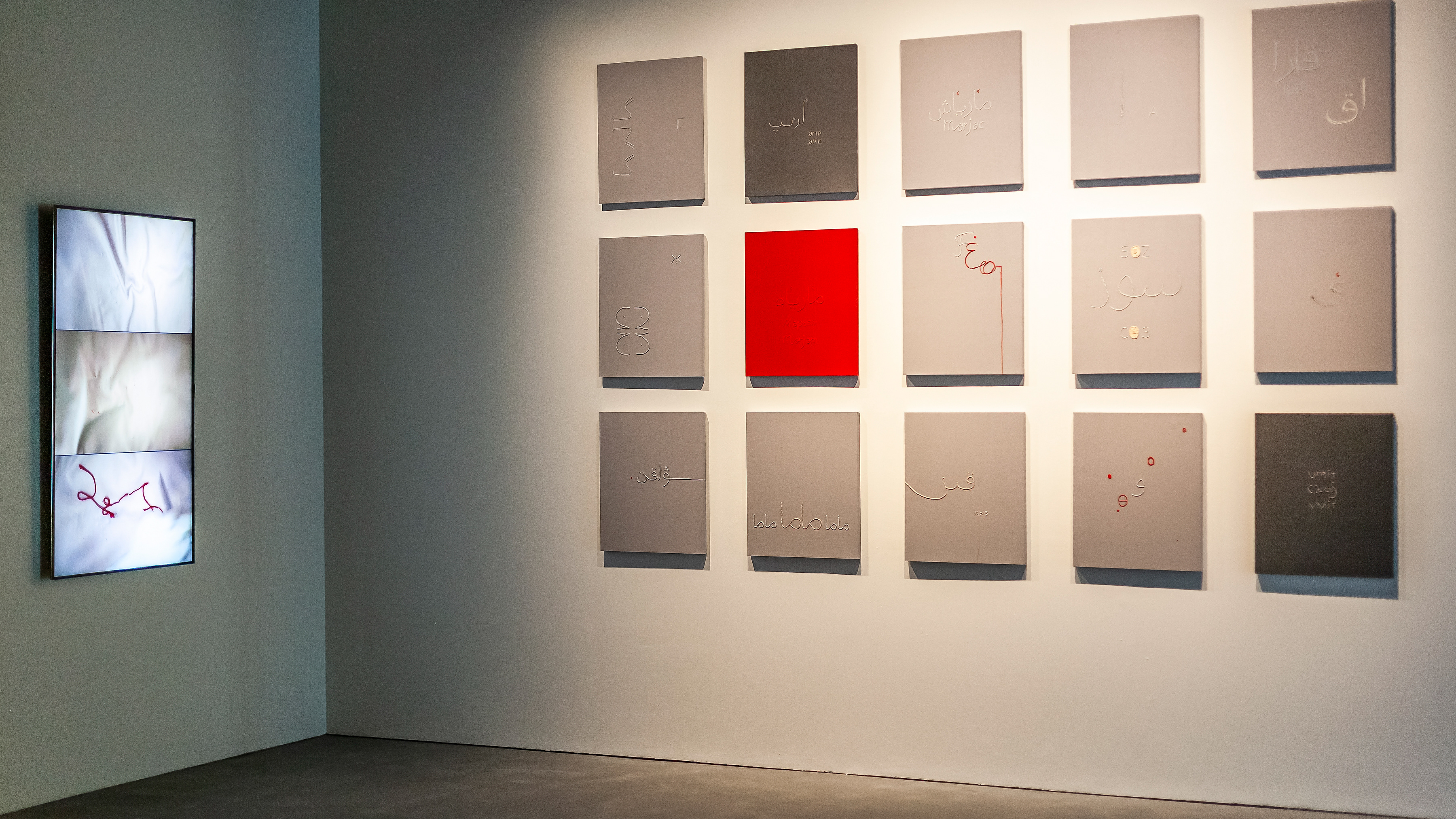
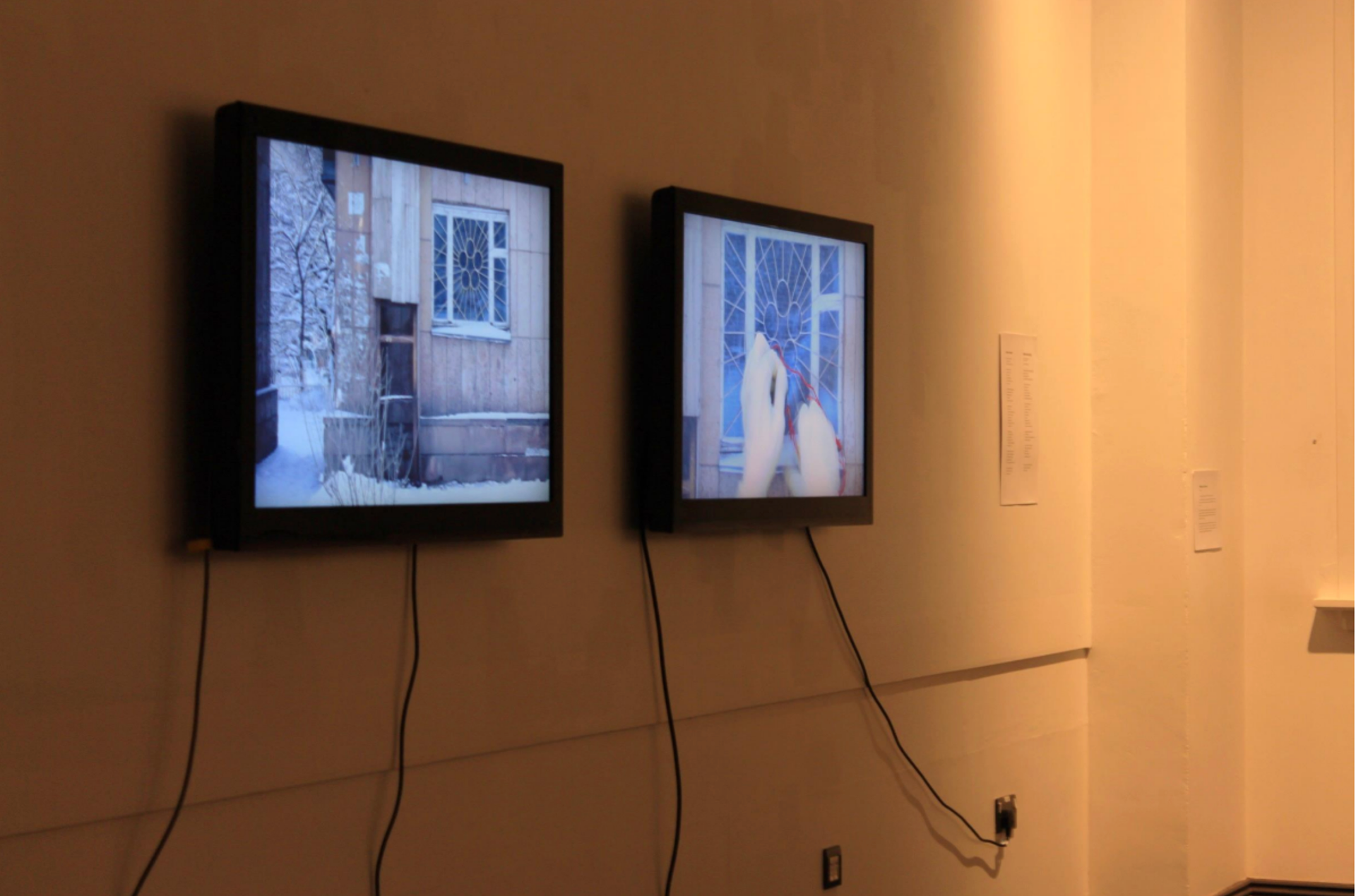
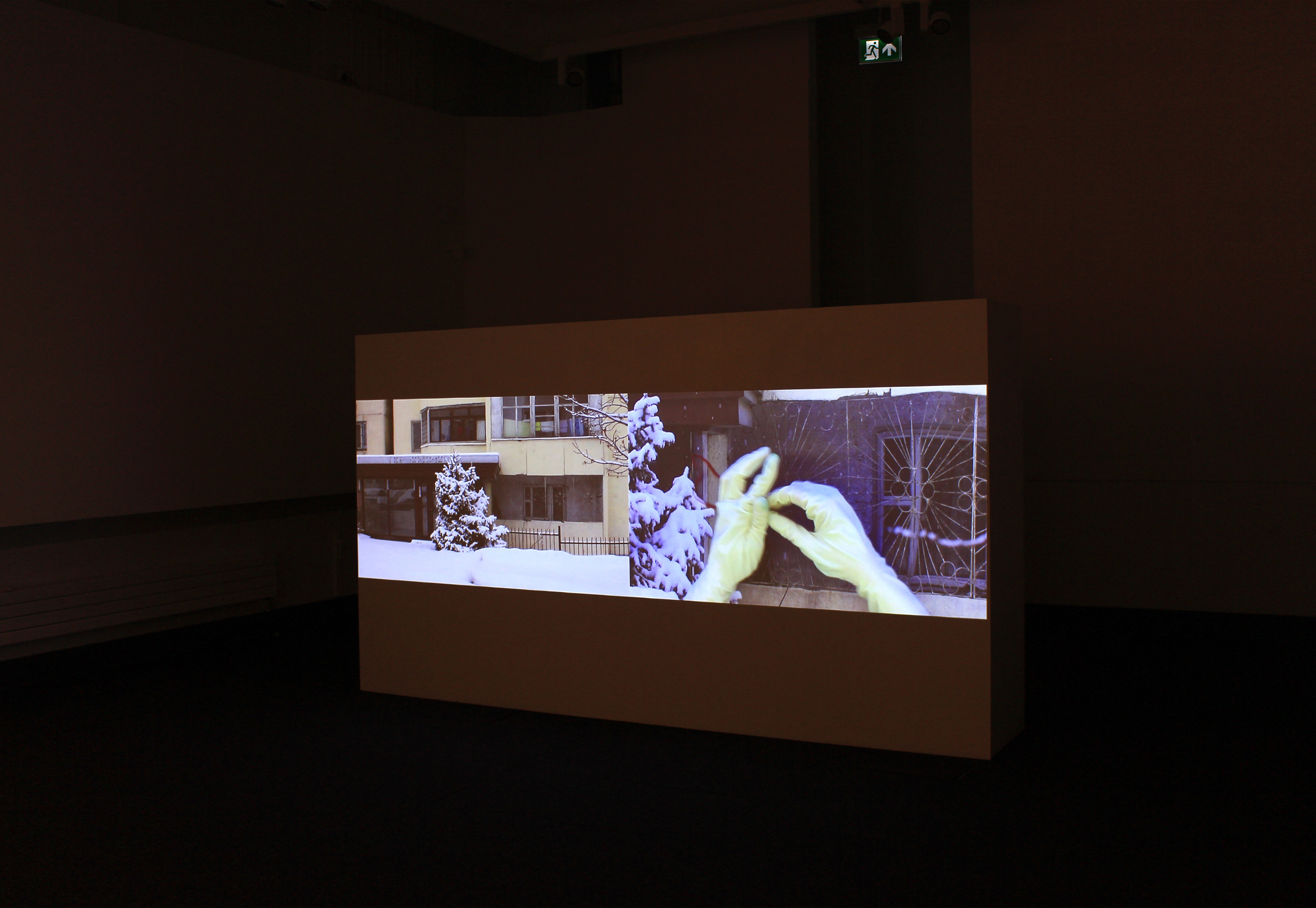
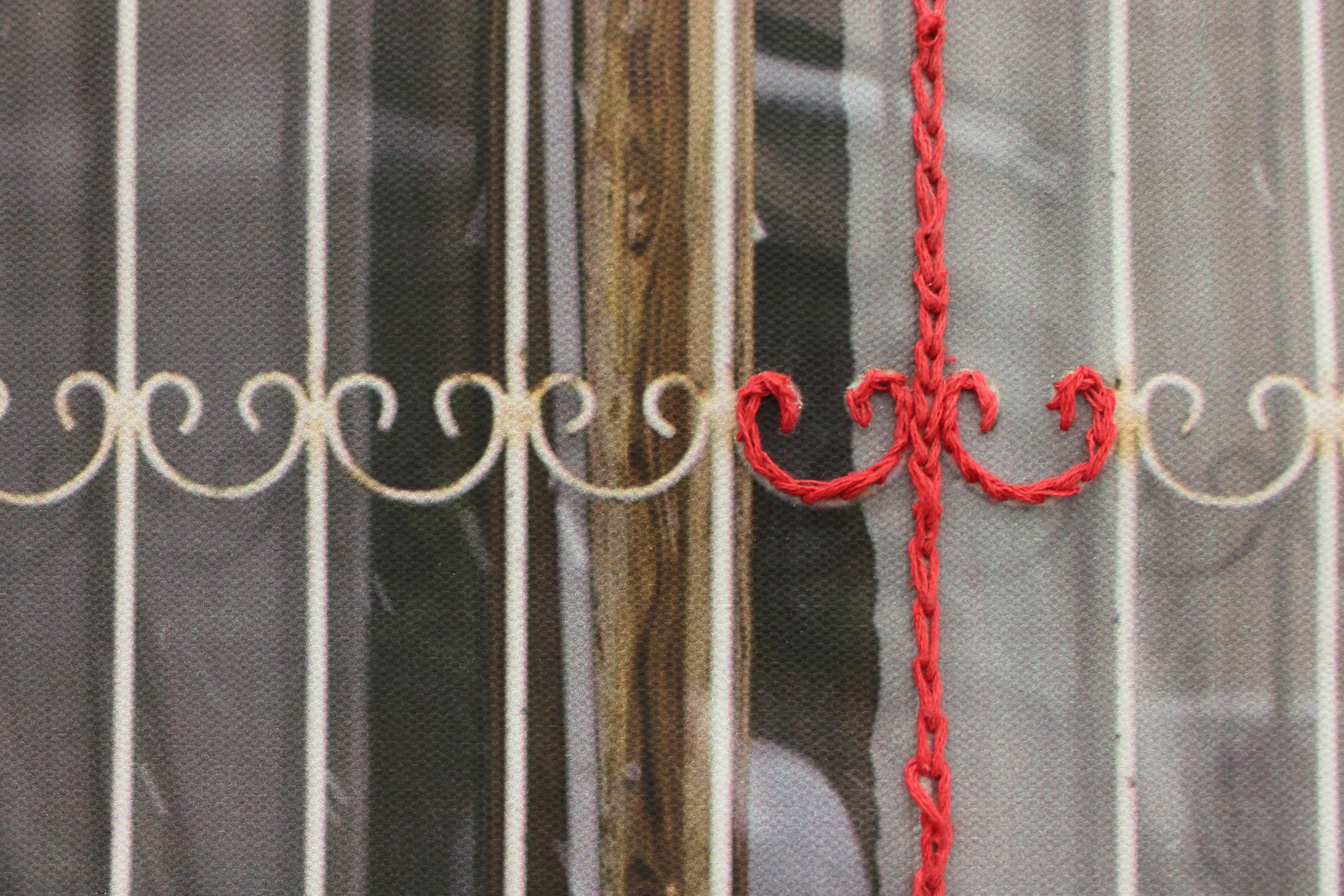
Borrowing the Derridean analogy of text and textile, I use embroidery as a way of reading the window grill and simultaneously (re-)writing it. I use embroidery - the repetitive piercing of fabric – as a method that mimics the symptomology of trauma, which reveals itself in repetitive symptoms, as it 'pierces' through the seeming wholeness of the conscious mind. In such way, embroidery becomes my gesture of mimetic mourning that helps to distance, to overcome the past.
A window grill – the ubiquitous, ornamented man-made barrier – becomes an effective metaphor to address and try to deconstruct the dialectic of inside and outside, as well as the conflict between private and public, which is especially characteristic of post-Soviet states that in different times have gone through shocks of collectivization (1930-s) and privatization (1990-s).
Borrowing the Derridean analogy of text and textile, I use embroidery as a way of reading the window grill and simultaneously (re-)writing it. I use embroidery - the repetitive piercing of fabric – as a method that mimics the symptomology of trauma, which reveals itself in repetitive symptoms, as it 'pierces' through the seeming wholeness of the conscious mind. In such way, embroidery becomes my gesture of mimetic mourning that helps to distance, to overcome the past.
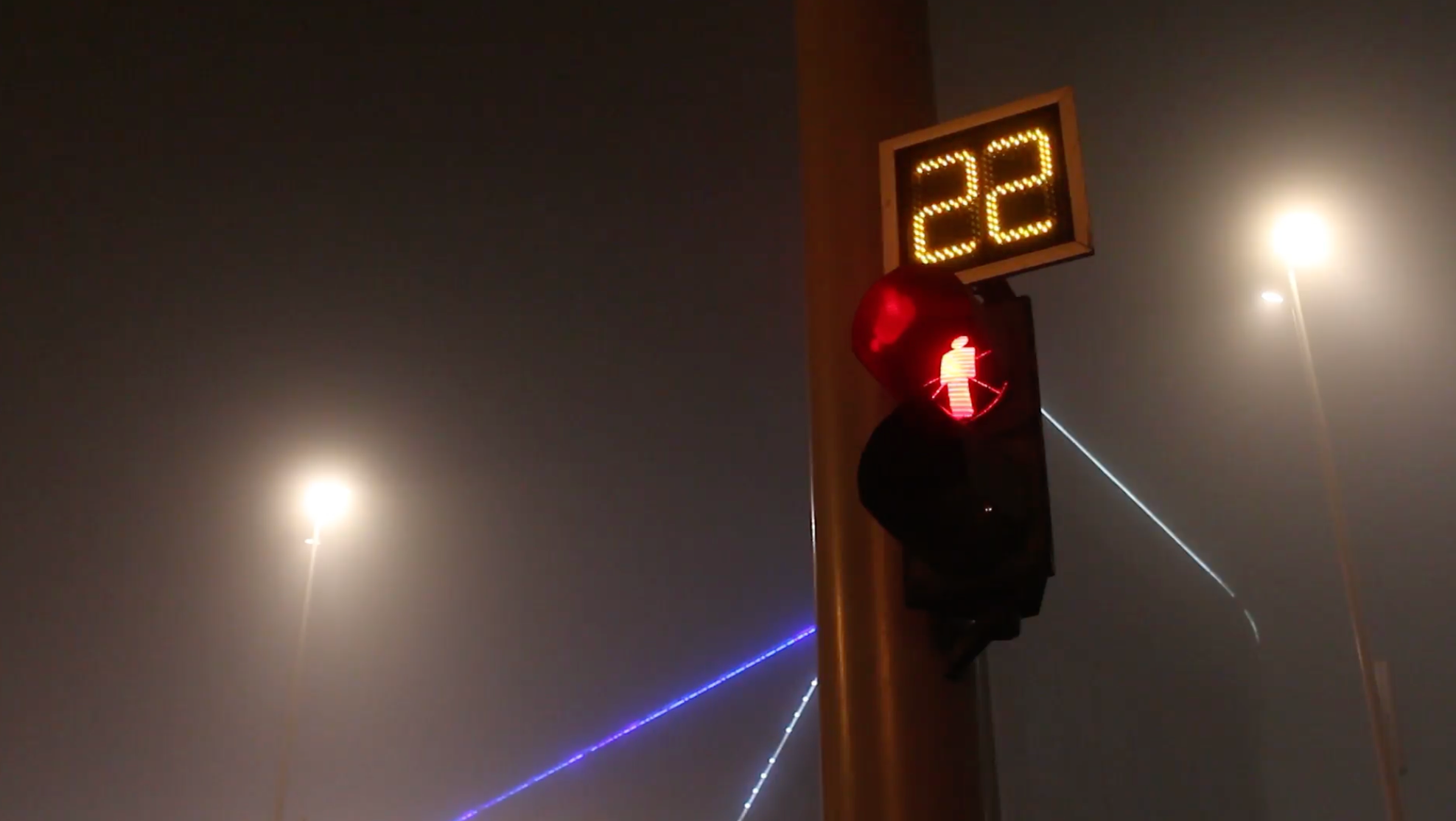
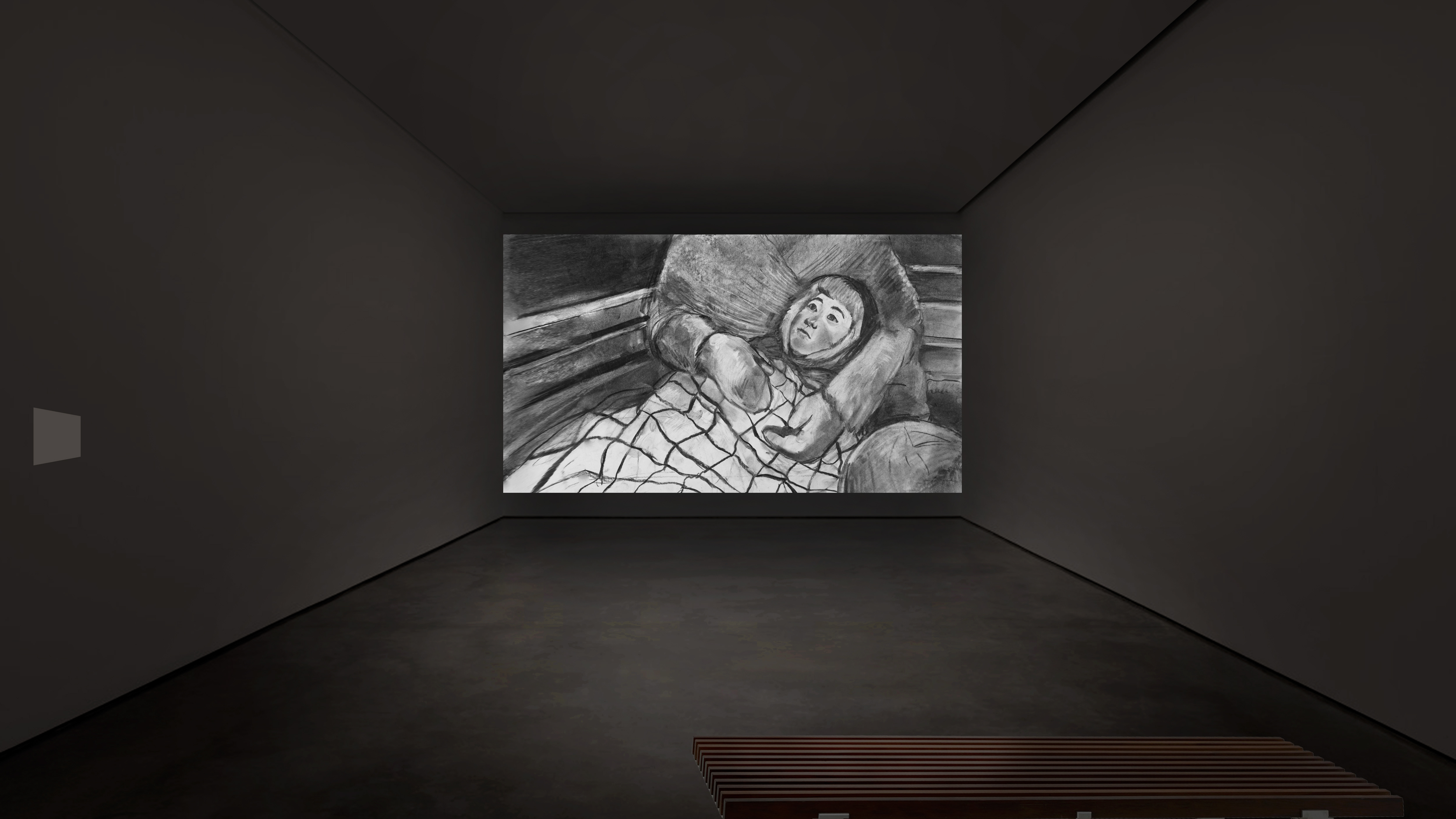
Alongside the embroidered canvases, I exhibit the video-performance Waltz about Spring (4 minutes, two channel, sound, 2017). The title comes from the song of the same name written for the musical comedy Our Dear Doctor (1958), which was filmed in one of health resorts near Almaty. The song welcomes the arrival of spring, and I treat it as symptomatic for the period of destalinisation know as the thaw.
The work has been shown at: Windows of Tolerance, solo show, Project Space, University of Leeds, 2017; Mixer Sessions III, Mixer Gallery, Istanbul, 2018; At the Corner: City, People, Places, Tselinny Centre for Contemporary Culture, Almaty, 2018; Living Memory, City Museum of Almaty, 2019